What to Look for in las vegas top Tree Trimming Services for Reliable Tree Maintenance
What to Look for in las vegas top Tree Trimming Services for Reliable Tree Maintenance
Blog Article
Expert Tree Trimming Services for a Healthier Landscape
Professional arborist services are vital for preserving a landscape's wellness and appearance. These experts assess tree conditions and remove damaged limbs, encouraging growth and safety. Regular trimming not only enhances visual charm but also reduces the risk of harm during severe weather. Understanding the complexities of tree health and proper techniques can create a substantial impact. Yet, many homeowners neglect essential elements of this offering, raising questions about their choices and results.
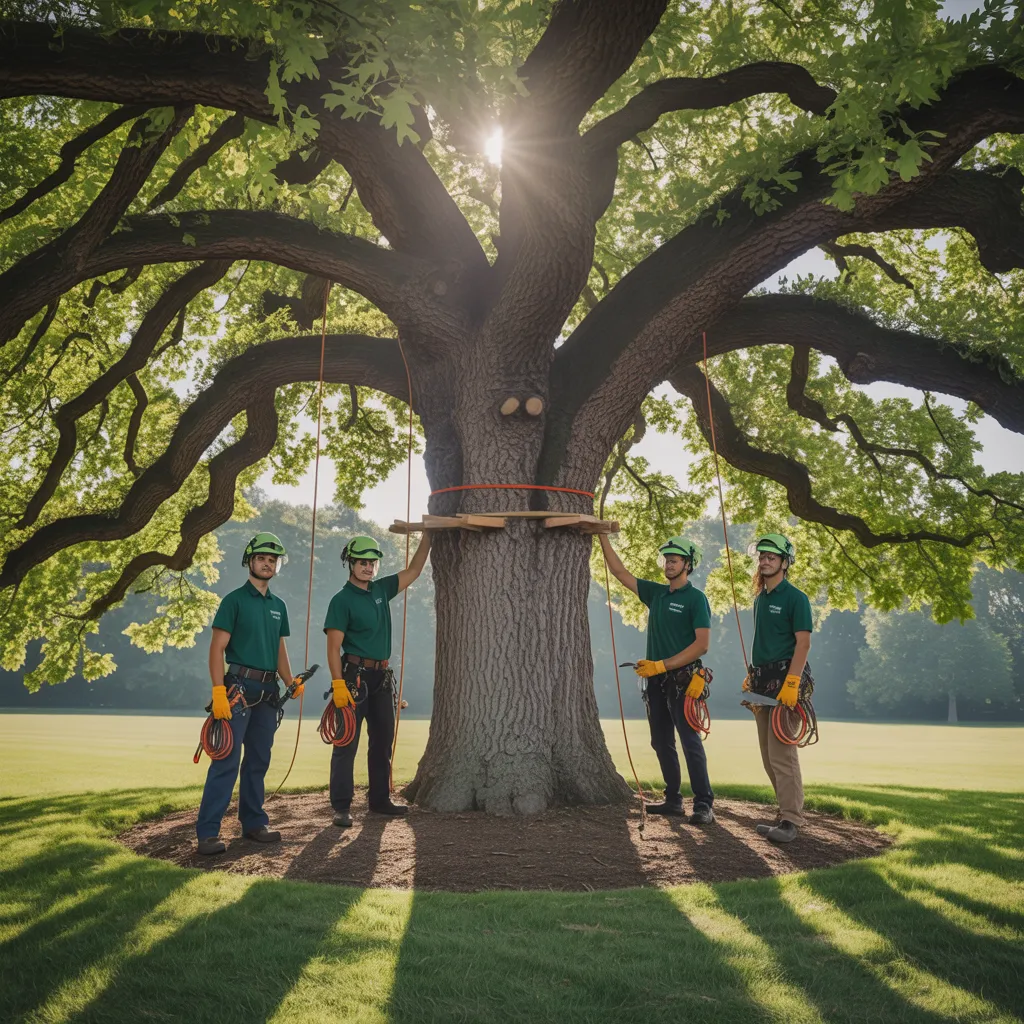
Why Professional Tree Trimming Matters for Your Home's Security and Appearance
Professional tree trimming enhances both the safety and aesthetic appeal of a home. By removing diseased or excessive branches, homeowners mitigate risks linked to falling debris during storms, thereby protecting both their property and loved ones. Furthermore, well-maintained trees contribute positively to the overall visual harmony of a landscape, creating a welcoming atmosphere.
In addition to safety, professional trimming supports improved tree vitality by facilitating enhanced light penetration and proper ventilation. This undertaking helps trees establish a solid framework, lowering the risk of disease and pest infestations. A trained arborist can spot which limbs require removal, confirming that the tree's inherent form is retained while enhancing its visual appeal. Consistent trimming not only defends the property but also boosts its visual appeal, making it increasingly attractive to potential purchasers and visitors. Making professional tree trimming a priority is a vital component in maintaining a protected and attractive environment.
Primary Benefits of Frequent Tree Trimming for Your Landscape
Regular tree trimming provides many benefits that considerably enhance the landscape. One of the primary benefits is improved tree health, as trimming eliminates dead or diseased branches, allowing the tree to concentrate its energy on healthy growth. In addition, regular trimming encourages better air circulation and sunlight penetration, which can lead to a more lively and lush yard.
The aesthetic quality is another significant benefit; carefully trimmed trees establish a more polished and visually pleasing space. Moreover, routine maintenance can prevent potential hazards, such as falling branches, which is necessary for safety. It can also help increase property value, as a well-maintained landscape is often more desirable to prospective buyers.
Finally, tree trimming encourages new growth and can result in a stronger tree structure, making it resistant against storms and other environmental stresses. Overall, these benefits highlight the importance of including routine trimming services into landscape care.
How Arborists Review Tree Health for Trimming
How do tree care professionals determine the health of a tree prior to pruning? Their assessment begins with a visual inspection, highlighting the tree's general framework, foliage state, and any indicators of illness or pest infestation. Tree specialists inspect the trunk for cracks, deterioration, or lesions, which can indicate underlying wellness concerns. They also assess the root system to ensure firmness and proper nutrient uptake.
Then, they evaluate the tree's age and species, as various kinds have specific growth patterns and needs. Arborists take into account environmental factors, such as soil quality, light exposure, and surrounding vegetation, which can impact tree health.
In conclusion, they could use tools like soil tests or bark probes to uncover deeper understanding. This thorough evaluation permits arborists to make informed decisions about trimming, ensuring each cut fosters the tree's health and long-term survival while improving the overall landscape.
Popular Tree Trimming Techniques You Should Know
Tree trimming applies various techniques tailored to promote vigor and visual beauty. One widespread method is thinning the crown, which involves selectively eliminating branches to enhance light penetration and airflow within the tree. This technique helpful resource boosts overall condition while maintaining the tree's natural shape. Another conventional approach is crown reduction, applied to lower the height of a tree while keeping its structure. This is particularly beneficial for trees that pose a risk to nearby structures. Additionally, the technique of deadwooding focuses on removing dead or diseased branches, preventing the spread of pests and diseases. Finally, directional pruning fosters growth in specific directions, allowing for improved landscape design and preventing obstructions. Understanding these techniques empowers property owners to make informed decisions about their tree care, ensuring a healthier and more visually pleasing landscape.
Determining the Optimal Tree Trimming Choices
When choosing tree trimming providers, what elements should be taken into account to guarantee quality and security? First, it is vital to examine the company's qualifications, including licenses and coverage. A trusted service should have experienced professionals who understand tree biology and proper pruning methods. Next, customer reviews and feedback can offer insights into the company's reliability and workmanship.
Moreover, procuring multiple bids permits a comparison of rates and options delivered, ensuring a just transaction. It's also prudent to inquire about the equipment used, as modern tools can enhance safety and performance.
Furthermore, analyzing the company's compliance with local regulations and environmental practices demonstrates its commitment to responsible tree care. Finally, transparent communication with the service provider about specific needs and expectations can lead to a more positive outcome. By considering these factors, property owners can make an well-informed decision that promotes a more robust landscape.
How to prepare Your Outdoor Space for Tree Trimming?
Getting a landscape prepared for tree trimming requires assessing the health of the trees to establish the best approach. Removing adjacent debris provides a protected working environment, while distinctly indicating the areas allocated for trimming helps prevent any miscommunication during the process. These steps are critical for an efficient and effective tree trimming service.
Determine Tree Health Initially
How can an individual guarantee a productive tree trimming process? Evaluating tree vitality is necessary before any trimming starts. A meticulous evaluation of the tree can reveal signs of illness, pest outbreaks, or structural weaknesses. This review allows for educated decisions about which branches to trim and which to leave intact, ultimately fostering the tree's overall well-being.
Additionally, analyzing the tree's surroundings, including soil condition and surrounding vegetation, can provide insights into its durability. Trees in good condition are better equipped to rebound from trimming, guaranteeing that the landscape remains vibrant. By focusing on tree health, one sets the stage for effective trimming that improves not only the individual tree but also the landscape as a whole.
Remove Surrounding Debris
Removing trash surrounding the area is a vital step in preparing a landscape for tree trimming. This activity includes taking away any fallen branches, leaves, and other materials that might block the work zone. By keeping a clean space, tree trimming professionals can work more productively and safely. Clearing debris also minimizes the risk of accidents, like slips or trips, which can pose a threat to both workers and equipment. Moreover, a neat environment enhances visibility, allowing the crew to spot potential hazards and evaluate the tree's health more precisely. Homeowners should also think about moving outdoor furniture or decorations that could interfere with the trimming process, easing operations and supporting the overall care of the landscape.
Mark Clipping Areas Clearly
Clearly identifying trimming areas is crucial for an effective tree trimming process. This practice helps confirm that both the trimmers and the property owner are aligned regarding which branches or sections will be trimmed. To correctly mark these areas, the use of flags or tape can be helpful. These indicators should be placed at a noticeable distance from the tree, allowing the crew to locate the target zones quickly. Additionally, informing neighbors about the trimming schedule can prevent misunderstandings and ensure safety. Properly outlining these areas minimizes the risk of accidents and helps preserve the overall health of the landscape, making the tree trimming process smoother and more organized.
Frequently Asked FAQs
When Should I Arrange Tree Trimming Maintenance?
Tree trimming services should generally be arranged every 1 to 3 years, based on the tree type, growth rate, and local climate conditions. Regular assessments can support the maintenance of tree vitality and prevent potential hazards.
What Time of Year Is Best for Pruning Trees?
The best season to cut back trees is early spring to late winter, prior to new growth begins. This approach reduces strain on the trees and enables faster recovery, encouraging stronger and more robust growth subsequently.
Will Tree Trimming Negatively affect My Trees?
Tree trimming can harm trees if done improperly or excessively, causing strain, illness, or framework problems. However, when performed properly and at appropriate times, it enhances vigor and lifespan in trees. Correct methods are essential.
Am I required to Be Home During the Trimming service?
Homeowner presence during tree trimming is generally not required. Professionals can efficiently perform the job on their own, ensuring safety and quality. However, some may choose to be home for direct communication and immediate concern resolution.
What Generally Costs for Professional Tree Pruning?
Professional tree trimming usually costs between $200 and $1,500, determined by factors including tree size, location, and work complexity. Additional fees may apply for specialized services or emergency service calls.
Report this page